The future of your city is on your street.
A citizen’s view of the sensors, smart spaces and everyday decisions reshaping the places we call home.
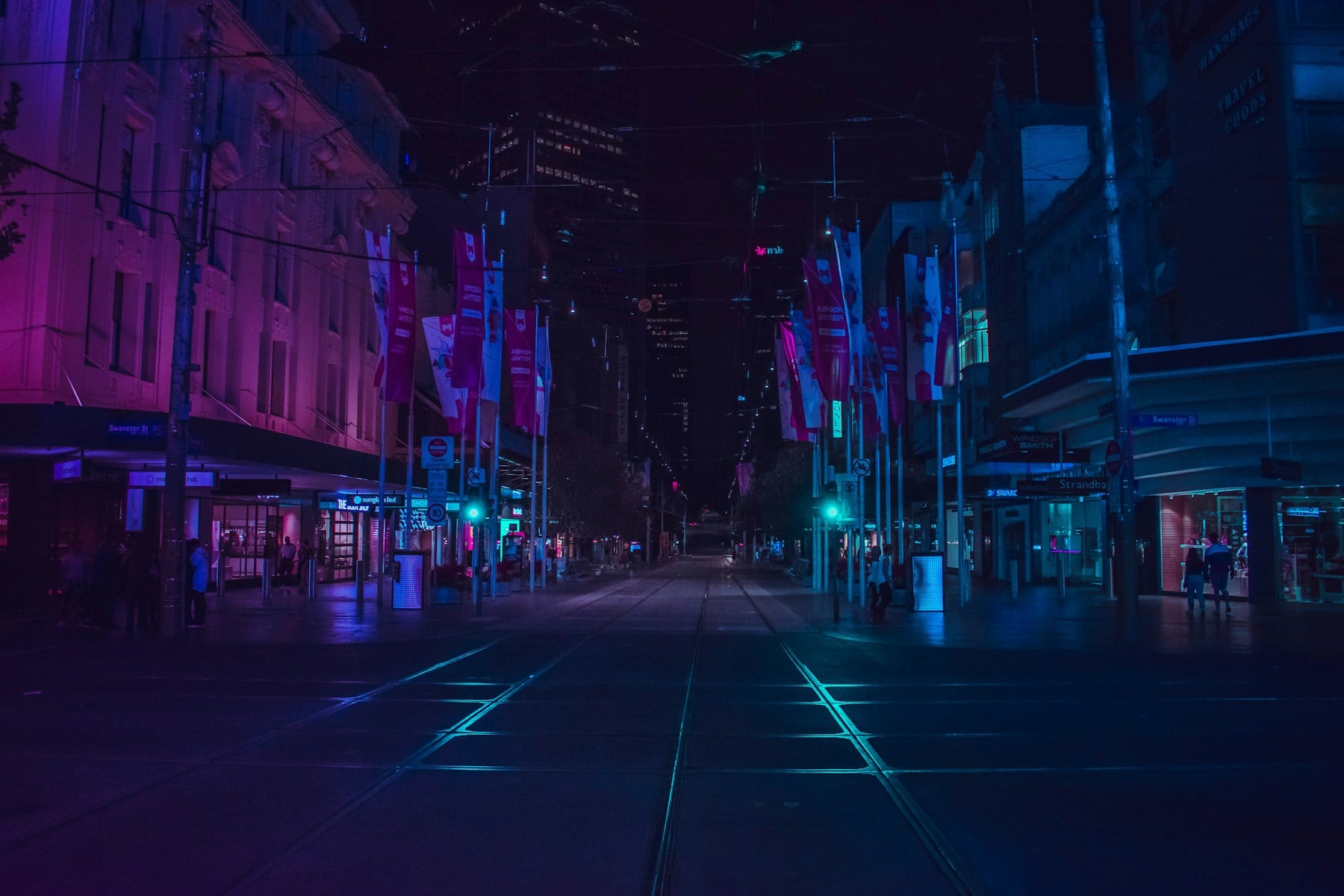
A city’s transformation does not always begin with a grand project. Sometimes it starts with a small change: a street that makes room for pedestrians, a square that invites people to stay, or lighting that follows the rhythm of a neighborhood.
We spent three weeks on one block to see how those small changes add up, talking to the people who cross it every day.
What changed on the block

The first thing residents mention is the pavement. Two metres were taken from the road and given to people on foot. Shop owners were nervous about losing parking; six months on, foot traffic is up and so are sales.
Nobody asked us how we use the street. They asked us what we wanted it to feel like. That was new.
Marta, who has run the bakery for 14 years
The numbers residents track
| Measure | Before | After six months |
|---|---|---|
| Cars per hour (peak) | 640 | 410 |
| People crossing per hour | 95 | 260 |
| Shops open after 8pm | 2 | 7 |
| Reported near misses | 11 | 3 |
How the counts were done
- Pick two fixed spots, one at each end of the block.
- Count for the same 60 minutes on the same weekday, every week.
- Log the weather, because rain changes everything.
- Share the sheet with the city after each month.

Where the sensors come in
Sensors can explain patterns and conserve resources. But data tells only part of the story. The rest lives in conversations, shared decisions and the experiences of people using these spaces every day.
- Air quality sensors on three lamp posts, readings published every hour.
- Smart lighting that dims after midnight unless movement is detected.
- A counter at the crossing that the association can audit.
What a citizen journalist can do next
Start here: document what changed, speak to neighbors, check the public records and ask who benefits. The future of our cities deserves an open conversation.
Help shape what comes next.
Explore membership and support a network built around people.
BECOME A MEMBERKEEP READING.
ALL STORIES
There is always another horizon.
Big topics, local perspectives. Asking how global conversations connect with life closer to home.
The conversations beyond your feed.
What is hot on social media, seen through the eyes of the people creating and sharing it.

The game belongs to the neighborhood.
Beyond the scoreboard: a community perspective on the people and places that bring local sports to life.